Table of Contents
Have you ever found yourself in the kitchen, ingredients at hand, but without a clear blueprint for dinner? That feeling of having an undefined recipe can be daunting, yet it’s also where true culinary magic often begins. Today, we’re diving into the art of improvisation and how to confidently embrace what I call the undefined recipe. This approach isn’t about meticulously following a set list of steps for a specific dish. Instead, it’s about empowering you to create delicious, satisfying meals from what you have, guided by intuition, basic principles, and a little bit of adventurous spirit. You’ll learn to confidently combine flavors, adjust textures, and transform simple components into a cohesive, satisfying meal that truly makes the kitchen your creative playground, every single time you cook.
What Makes This Dish Worth Making
Embracing the undefined recipe isn’t just a convenience; it’s a culinary superpower. When you cook this way, you develop an intuitive understanding of flavors and textures, making you a more versatile and confident chef. You’re not limited by specific ingredients listed in a book. Instead, you use what’s available, reducing food waste and often saving money. This approach fosters creativity, transforming routine cooking into an exciting exploration. Every meal becomes a unique creation, reflecting your mood, your pantry, and your personal taste. It’s about building a meal that speaks to you, right now.
This method also encourages resourcefulness. When you know how to build a meal from scratch without a strict guide, you’re never stumped by an empty fridge. You can adapt to different dietary needs or preferences on the fly. Plus, there’s an immense satisfaction in crafting something truly your own. It’s a skill that grows with every meal, making you feel more accomplished and connected to your food. An undefined recipe becomes a reflection of your evolving culinary journey.
Ingredients You Will Need
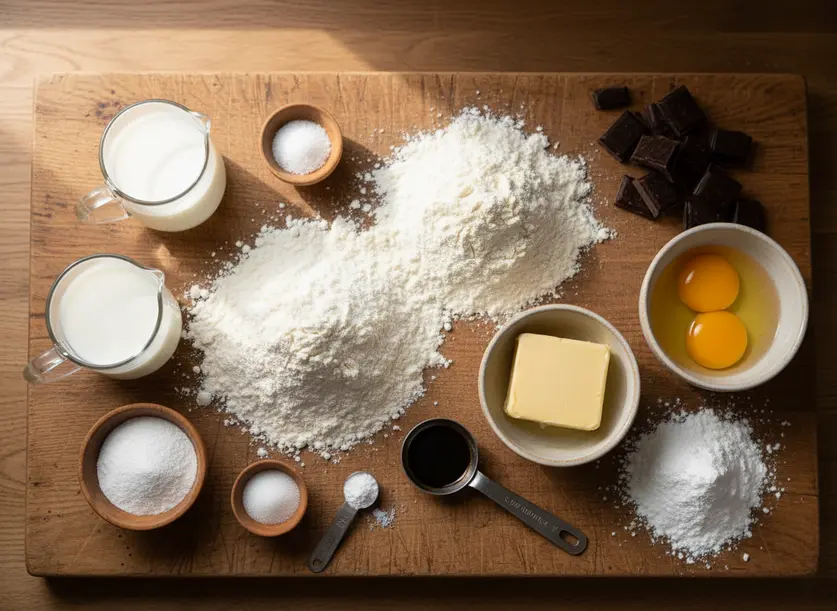
For an undefined recipe, you don’t need a precise list, but rather categories of ingredients that provide structure and flavor. Start with a protein: chicken, fish, tofu, beans, or even eggs are great. Next, think about your aromatics like onions, garlic, ginger, or celery – they build the foundational flavor. Vegetables are crucial for texture and nutrition; use whatever is in season or in your crisper drawer, from bell peppers and zucchini to leafy greens. Don’t forget a starch or carb component like rice, pasta, quinoa, potatoes, or bread to make it a complete meal.
Fats are essential for cooking and flavor; olive oil, butter, or coconut oil are versatile choices. Acids brighten and balance dishes, so keep lemons, limes, or vinegars handy. Finally, herbs and spices are your flavor enhancers. Dried spices offer convenience, while fresh herbs like parsley, cilantro, or basil add vibrancy. Don’t forget salt and pepper, they are non-negotiable for seasoning. Having a few items from each category gives you the freedom to create any undefined recipe.
How to Make It Step by Step
- Assess Your Pantry: Begin by taking stock of what you have. What proteins, vegetables, grains, and sauces are available? This inventory guides your undefined recipe from the start. What needs to be used up first?
- Choose Your Base: Select a primary ingredient or flavor profile. Will it be a protein-focused dish, a vegetable-heavy one, or a hearty grain bowl? This decision provides a central theme.
- Prepare Aromatics: Start by chopping your chosen aromatics, like onions and garlic. Sauté them gently in your preferred fat until fragrant. This builds a foundational layer of flavor for your undefined recipe.
- Add Proteins: Introduce your protein to the pan. Cook it until it’s browned and nearly cooked through. This step ensures proper texture and flavor development.
- Incorporate Vegetables: Stir in your harder vegetables first, allowing them to soften slightly. Then add softer or quick-cooking vegetables. Cook until they reach your desired tenderness.
- Add Liquid and Seasoning: Pour in a small amount of broth, water, or canned tomatoes to create a sauce or braising liquid. Season generously with salt, pepper, and your chosen spices or herbs. Taste and adjust.
- Introduce Starches/Grains: If using cooked grains or pasta, stir them in to combine. If cooking a starch from scratch, ensure it’s cooked separately and then added, or cooked within the dish if appropriate (e.g., a one-pot rice dish).
- Finish and Adjust: Add any fresh herbs, a squeeze of citrus, or a dash of vinegar at the end to brighten the flavors. Taste your undefined recipe one last time. Adjust any seasonings needed until it tastes perfect to you. Serve immediately.
Tips for the Best Results
Cooking an undefined recipe successfully relies on a few key practices. First, taste, taste, taste! This is paramount. Sample your food at every stage of the cooking process, from seasoning the aromatics to the final adjustments. Your palate is your best guide for balancing flavors. Don’t be afraid to add more salt, a squeeze of lemon, or a pinch of herbs if something feels off. This active engagement with the food ensures a delicious outcome.
Next, manage your heat wisely. Different ingredients require different cooking temperatures. Sautéing onions needs moderate heat to caramelize them slowly, while searing meat demands higher heat for a good crust. Overcrowding your pan also lowers the temperature, leading to steaming instead of browning. Cook in batches if necessary. Proper heat control prevents burning and promotes even cooking, essential for any improvised dish.
Also, understand flavor pairings. While you’re improvising, having a basic knowledge of what flavors work well together is incredibly helpful. Think about classic combinations: tomatoes and basil, garlic and lemon, ginger and soy sauce. This doesn’t mean you can’t experiment, but it gives you a solid starting point for your undefined recipe. This knowledge builds with practice.
For storage, cool any leftovers completely before transferring them to airtight containers. Most improvised dishes, especially those with cooked proteins and vegetables, will keep well in the refrigerator for 3-4 days. Reheat gently on the stovetop or in the microwave, adding a splash of water or broth if needed to restore moisture. Freezing is also an option for stews or casseroles, ensuring you enjoy your creative undefined recipe for longer.
Variations to Try
Once you’re comfortable with the basics of an undefined recipe, the variations are endless. Try focusing on different regional flavor profiles. For a Mediterranean-inspired bowl, start with a base of quinoa, add pan-seared chicken or chickpeas, then layer with cucumber, tomatoes, olives, feta, and a lemon-herb dressing. This emphasizes fresh, bright flavors and simple preparations.
Another option is a hearty Asian-style stir-fry. This often involves quickly cooking thinly sliced meat or tofu with a medley of colorful vegetables like bell peppers, broccoli, and snap peas. A quick sauce made from soy sauce, ginger, garlic, and a touch of sesame oil brings it all together. Serve it over rice or noodles for a satisfying meal. The key is high heat and quick cooking.
Finally, explore a rustic comfort stew. This undefined recipe might feature tougher cuts of meat like beef or lamb, or hearty root vegetables and legumes, slow-cooked in a rich broth with herbs like rosemary and thyme. It’s forgiving and perfect for using up various vegetables that need a long cooking time. A dollop of mashed potatoes or a crusty bread on the side makes it a complete, warming meal for any occasion.
FAQ
Can I make an undefined recipe vegetarian or vegan?
Absolutely! The beauty of the undefined recipe is its adaptability. Simply swap out animal proteins for plant-based alternatives like beans, lentils, tofu, tempeh, or a variety of mushrooms. Focus on building flavor with herbs, spices, and vegetable broths. Ensure you include a good source of plant-based protein and healthy fats for a balanced meal.
What if my undefined recipe tastes bland?
Blandness is a common issue, and easily fixed! First, check your seasoning: does it need more salt or a crack of black pepper? Next, consider adding an acid like lemon juice, lime juice, or vinegar; a small amount can brighten flavors dramatically. A pinch of red pepper flakes can add a needed kick, or a fresh herb garnish can provide a burst of freshness. Don’t forget umami boosters like soy sauce, mushroom powder, or nutritional yeast.
How do I know if my ingredients will work together?
Developing an intuitive sense for ingredient pairing comes with practice, but you can start by thinking about established culinary traditions. Many cuisines have natural affinities that guide successful combinations. When in doubt, stick to ingredients from similar flavor families (e.g., Italian ingredients, Asian ingredients). And remember, sometimes the most unexpected combinations lead to delicious discoveries. Trust your nose and your taste buds!


Undefined Recipe
Ingredients
- variable Protein e.g., chicken, fish, tofu, beans, eggs
- variable Aromatics e.g., onions, garlic, ginger, celery
- variable Vegetables e.g., bell peppers, zucchini, leafy greens, seasonal vegetables
- variable Starch or Carb e.g., rice, pasta, quinoa, potatoes, bread
- variable tbsp Cooking Fat e.g., olive oil, butter, coconut oil
- to taste Acids e.g., lemons, limes, vinegars
- to taste Herbs and Spices e.g., dried spices, fresh parsley, cilantro, basil
- to taste Salt Non-negotiable for seasoning
- to taste Pepper Non-negotiable for seasoning
- variable cup Liquid e.g., broth, water, canned tomatoes
Instructions
- Assess Your Pantry: Begin by taking stock of what you have. What proteins, vegetables, grains, and sauces are available? This inventory guides your undefined recipe from the start. What needs to be used up first?
- Choose Your Base: Select a primary ingredient or flavor profile. Will it be a protein-focused dish, a vegetable-heavy one, or a hearty grain bowl? This decision provides a central theme.
- Prepare Aromatics: Start by chopping your chosen aromatics, like onions and garlic. Sauté them gently in your preferred fat until fragrant. This builds a foundational layer of flavor for your undefined recipe.
- Add Proteins: Introduce your protein to the pan. Cook it until it's browned and nearly cooked through. This step ensures proper texture and flavor development.
- Incorporate Vegetables: Stir in your harder vegetables first, allowing them to soften slightly. Then add softer or quick-cooking vegetables. Cook until they reach your desired tenderness.
- Add Liquid and Seasoning: Pour in a small amount of broth, water, or canned tomatoes to create a sauce or braising liquid. Season generously with salt, pepper, and your chosen spices or herbs. Taste and adjust.
- Introduce Starches/Grains: If using cooked grains or pasta, stir them in to combine. If cooking a starch from scratch, ensure it's cooked separately and then added, or cooked within the dish if appropriate (e.g., a one-pot rice dish).
- Finish and Adjust: Add any fresh herbs, a squeeze of citrus, or a dash of vinegar at the end to brighten the flavors. Taste your undefined recipe one last time. Adjust any seasonings needed until it tastes perfect to you. Serve immediately.