Table of Contents
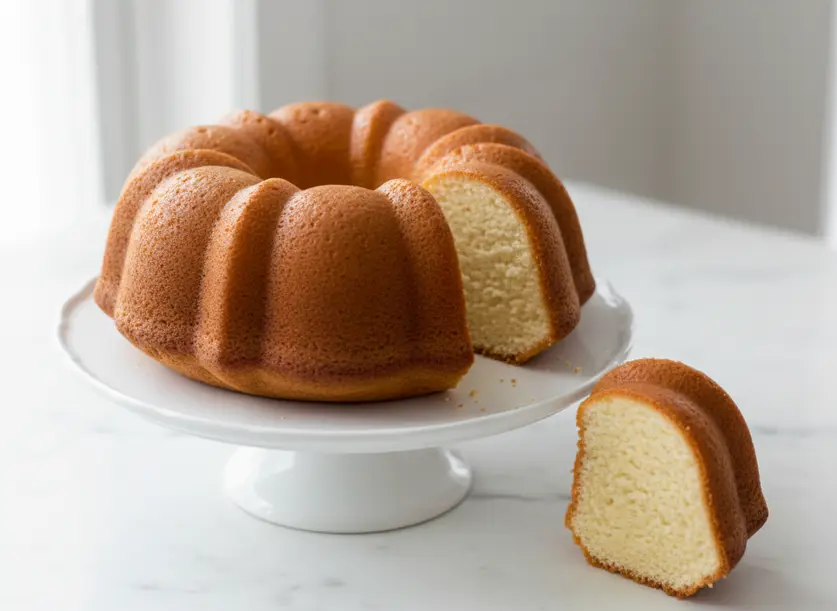
Is there anything better than a slice of perfectly baked Philly Fluff Cake? I truly believe not. If you’ve ever dreamed of creating that impossibly light, melt-in-your-mouth texture right in your own kitchen, then you’ve landed on the right page. This isn’t just another cake recipe; it’s about achieving that delicate balance of buttery richness and subtle cream cheese tang that makes this dessert so uniquely irresistible. I’ve refined this method over many years, baking countless batches for friends and family, and it brings smiles every single time. This recipe for Philly Fluff Cake isn’t difficult, but it does require a little attention to detail and patience. Get ready to bake a cake that will become your new signature dessert, surprising everyone with its sophisticated simplicity and incredibly fluffy texture.
What Makes This Dish Worth Making
This Philly Fluff Cake isn’t just another dessert; it’s an experience you’ll want to recreate time and again. First, there’s the texture. It’s incredibly light and airy, almost like a cloud, hence the name “fluff.” This isn’t an exaggeration; it’s the cake’s defining characteristic, achieved through a specific technique that incorporates maximum air. This results in an unparalleled tender crumb that truly melts in your mouth. You definitely won’t find a dense, heavy cake here.
Then, consider the flavor profile. The subtle tang from cream cheese perfectly balances the rich sweetness, creating a sophisticated yet comforting taste. It’s not overpoweringly cheesy, but just enough to add depth and a unique brightness. Combined with good quality butter and pure vanilla, the flavors sing in harmony, satisfying your sweet tooth without feeling too heavy.
Finally, the satisfaction of baking it yourself is immense. People will inevitably ask for the recipe, I promise. It looks impressive but is surprisingly approachable, delivering bakery-quality results from your own kitchen. This cake is perfect for any occasion, from a casual family dinner to a grand celebration. It truly delivers on its promise of deliciousness and elegance.
Ingredients You Will Need
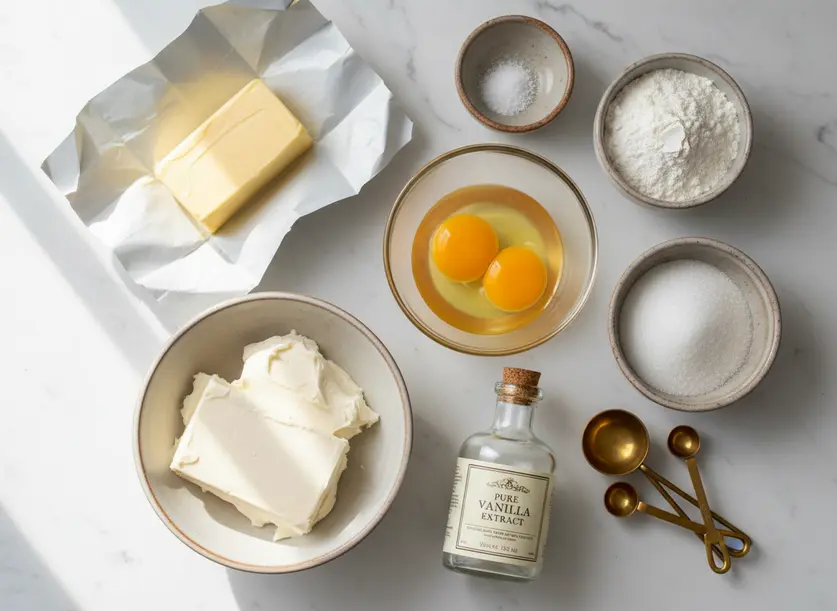
For this delightful Philly Fluff Cake, you’ll need softened unsalted butter and full-fat cream cheese at room temperature. This is key for a smooth batter. (If using salted butter, reduce the recipe’s salt.) Large eggs, separated into yolks and whites, are crucial for its airy texture. All-purpose flour, spooned and leveled, forms the cake’s structure. Granulated sugar adds sweetness. Pure vanilla extract, preferably high-quality, will greatly enhance the overall flavor. Baking powder provides the necessary lift, and a pinch of salt balances everything out. If you’re truly out of baking powder, a combination of baking soda and cream of tartar can work as a substitute, but the dedicated baking powder is best for consistent results.
How to Make It Step by Step
- Preheat your oven to 325°F (160°C). Thoroughly grease and flour a 9-inch bundt pan or a 10-cup tube pan. This vital step helps prevent any sticking.
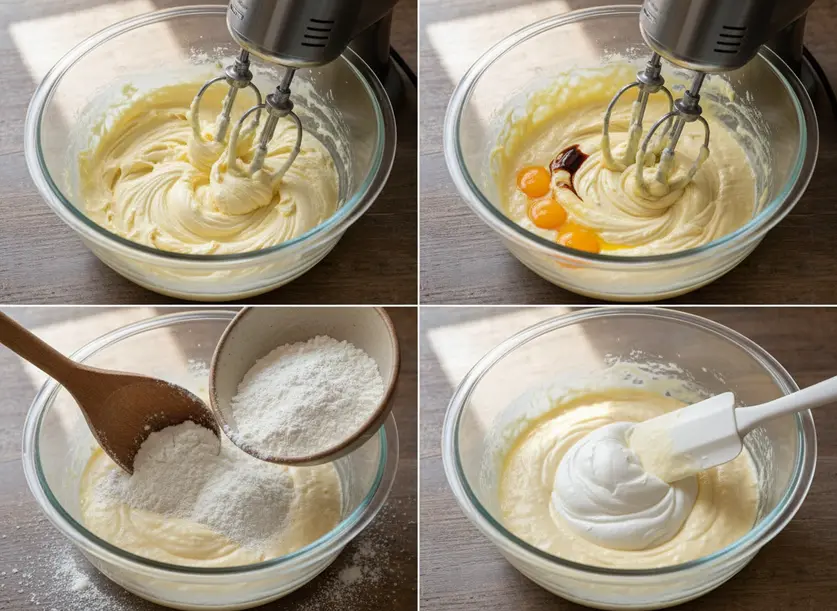
- In a large bowl, cream together the softened unsalted butter and room temperature cream cheese with an electric mixer on medium speed until the mixture is light and fluffy. Aim for about 3-5 minutes of beating.
- Gradually add the granulated sugar to the butter mixture, beating well after each addition. Continue this process until the mixture is pale and very fluffy, making sure to scrape down the sides of the bowl as needed to ensure everything combines evenly.
- Beat in the egg yolks one at a time, ensuring each yolk is fully incorporated into the batter before you add the next. Afterward, gently stir in the pure vanilla extract.
- In a separate medium bowl, whisk together the all-purpose flour, baking powder, and salt until they are well combined. Gradually add this dry mixture to the wet ingredients, mixing on low speed until everything is just combined. Be careful not to overmix the batter.
- In another clean, large bowl, use a clean electric mixer to beat the egg whites until they form stiff peaks. It’s important to be careful not to overbeat the whites, as this can make them dry and difficult to fold.
- Gently fold about one-third of the beaten egg whites into the cake batter. This step lightens the batter. Then, carefully fold in the remaining egg whites in two additions until they are just combined, working gently to maintain all that precious air you’ve incorporated.
- Pour the completed batter evenly into your prepared pan. Smooth the top gently with a spatula to ensure an even bake.
- Bake for 60-70 minutes, or until a wooden skewer inserted into the center of the cake comes out completely clean. The cake should appear golden brown and spring back lightly when gently touched.
- Let the Philly Fluff Cake cool in the pan on a wire rack for 15 minutes before carefully inverting it onto the rack to cool completely. This prevents sticking and ensures a beautiful shape.
Tips for the Best Results
Achieving the perfect Philly Fluff Cake comes down to a few key techniques. First, always ensure your butter and cream cheese are at true room temperature. This isn’t just a suggestion; it makes a massive difference in how well they cream together, which directly impacts the cake’s texture. Cold ingredients will result in a lumpy, dense batter, not the airy fluff you’re aiming for.
Secondly, avoid overmixing the batter once the flour is added. Overmixing develops the gluten too much, leading to a tough cake instead of a fluffy one. Mix only until the dry ingredients are just incorporated. The same goes for folding in the egg whites: be gentle and fold just until no streaks remain. This preserves all that precious air you’ve worked so hard to incorporate, which is vital for the cake’s signature lightness.
Third, resist the urge to open your oven door during the first 45-50 minutes of baking. A sudden drop in temperature can cause your beautiful cake to sink dramatically. Trust your oven and the timing, and only check towards the end of the baking cycle.
Finally, for storage, keep your Philly Fluff Cake covered at room temperature for up to 2-3 days, ensuring it stays fresh and moist. For longer freshness, up to a week, you can refrigerate it, but always let it come to room temperature before serving for the best flavor and texture.
Variations to Try
After mastering the classic Philly Fluff Cake, try these delicious variations. For a Chocolate Marble Fluff Cake, melt 2 ounces of unsweetened chocolate and gently swirl it into about a third of your prepared batter. Then layer and swirl into the pan for a beautiful pattern and rich chocolate notes.
Another great twist is a Lemon Zest Fluff Cake. Just add the zest of two large lemons to your wet ingredients with the vanilla. This brightens the flavor wonderfully and offers a lovely citrusy aroma. Or, for an elegant touch, try an Almond Fluff Cake by incorporating 1/2 teaspoon of almond extract alongside the vanilla. You can even sprinkle sliced almonds on top before baking for an added textural crunch and nutty taste. These simple changes create exciting new desserts from one versatile recipe.
FAQ
Why did my Philly Fluff Cake sink in the middle?
This common issue is usually due to opening the oven door too early, causing a sudden temperature drop. It can also happen from overmixing the batter, which deflates the delicate air pockets, or from not baking it long enough, leaving the center undercooked and unable to support itself. Ensure your oven temperature is accurate and resist peeking until nearly done.
Can I prepare Philly Fluff Cake ahead of time?
Absolutely! This cake actually tastes even better the day after it’s baked, as the flavors have more time to meld and fully develop. Bake it, let it cool completely, then wrap it tightly in plastic wrap and store at room temperature. You can also freeze individual slices for up to a month, thawing them gently before serving.
What makes Philly Fluff Cake different from a traditional pound cake?
While both are rich and delicious cakes, the Philly Fluff Cake incorporates cream cheese for a distinct tang and uses separated eggs with beaten whites folded in. This method gives it a much lighter, airier, and “fluffier” texture compared to the denser, more traditional pound cake, which typically relies on a higher ratio of butter, sugar, and flour. It’s truly a unique and delightful experience.