There is something about the aroma of ginger, cinnamon, and warm brown sugar wafting through the house that makes it feel like the holidays have truly arrived. But let’s be honest: traditional gingerbread cookies can sometimes be a bit… structural. While they are great for building houses, they can occasionally be a little too crunchy for actual snacking.

That is exactly why I am so excited to share these Butterscotch Gingerbread Cookies with you today.
The “secret” to these cookies isn’t just the spice blend—it’s a box of Butterscotch Cook and Serve Pudding. This simple pantry staple transforms the dough, creating a soft, pillowy texture and a rich, buttery undertone that pairs perfectly with the zing of ginger. Whether you’re a seasoned baker or looking for an easy Christmas cookie recipe to make with the kids, these are guaranteed to be the star of your cookie tray.
Why You’ll Love This Recipe
- The Texture: The pudding mix keeps these cookies incredibly soft for days. No more “rock hard” gingerbread!
- Unique Flavor Profile: The butterscotch adds a mellow, caramel-like sweetness that balances the sharp ginger.
- Perfect for Decorating: This dough holds its shape beautifully while baking, making it ideal for your favorite gingerbread man or snowflake cutters.
- Simple Ingredients: Most of these items are likely already in your pantry.
- Kid-Friendly: These are less “spicy-hot” than traditional ginger snaps, making them a hit with the little ones.
Ingredient Notes
To make the best Butterscotch Gingerbread Cookies, pay close attention to these key ingredients:
- Cook and Serve Butterscotch Pudding: This is the most important note! You must use the Cook and Serve variety, not the instant pudding. The starches in the cook and serve version react differently with the heat of the oven, providing the necessary structure and chew.
- Butter: Use real unsalted butter for the best flavor. Ensure it is softened to room temperature so it creams properly with the sugar and pudding mix.
- Brown Sugar: This adds moisture and that deep molasses-adjacent flavor that is quintessential to gingerbread.
- Spices: We are using a combination of ginger and cinnamon. For a deeper flavor, ensure your spices are fresh (not three years old!).
- The Icing: This recipe includes a classic royal icing made with egg whites. It dries to a hard, glossy finish, which is perfect if you plan on stacking these cookies in gift tins.
Step-by-Step Instructions
1. Prep the Dry Spices
In a medium-sized mixing bowl, whisk together your flour, baking soda, ginger, and cinnamon. Setting this aside ensures that the leavening agent and spices are evenly distributed before they hit the wet ingredients.
2. Cream the “Secret” Base
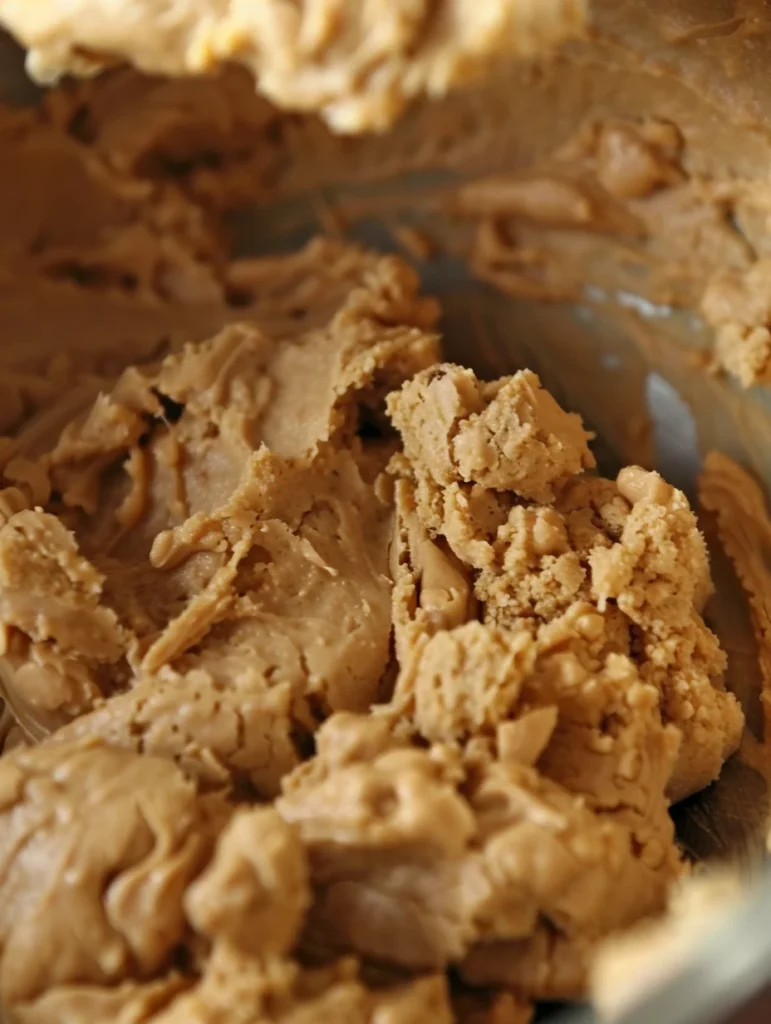
In a large bowl or a stand mixer, cream together the dry pudding mix, softened butter, and brown sugar. You want this to look light and fluffy. This step is where the butterscotch flavor really integrates into the fats of the recipe.
3. Incorporate the Egg and Flour
Add the egg and mix until smooth. Slowly add your flour mixture. I recommend doing this in two batches. Mix just until the white streaks of flour disappear—overmixing can lead to a tougher cookie.
4. The Big Chill
Gingerbread dough is notoriously sticky. Cover your dough and chill it in the refrigerator for at least one hour. This makes the dough much easier to handle and prevents the cookies from spreading too much in the oven.
5. Roll and Cut
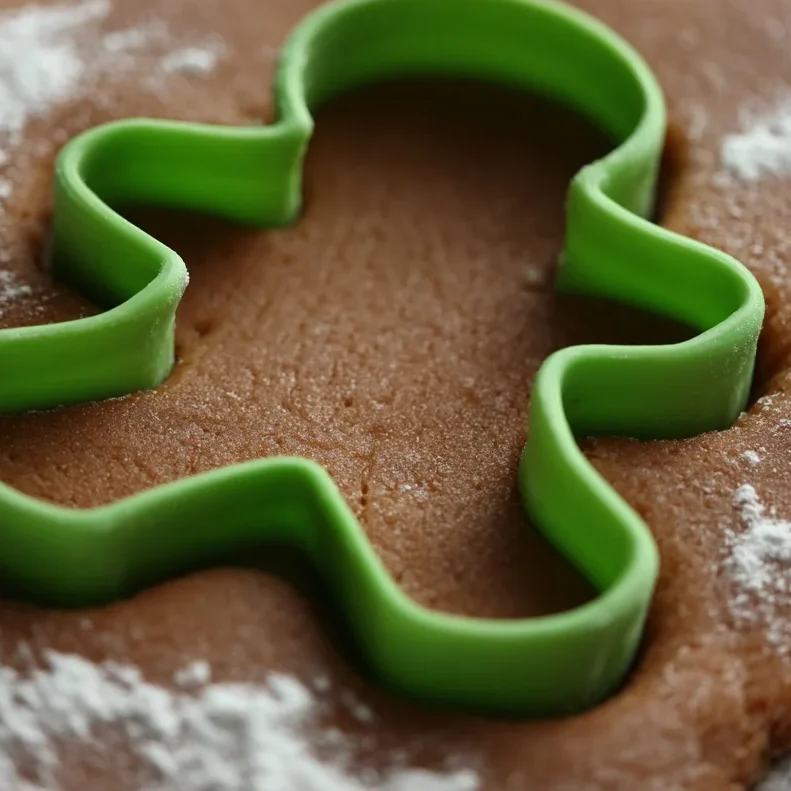
Divide your dough in half. Keep one half in the fridge while you work with the other. On a well-floured surface, roll the dough to about 1/8 inch thickness. Use your favorite cutters and move the shapes to a parchment-lined baking sheet.
6. Bake to Perfection
Bake at 350°F for about 10 minutes. Keep a close eye on them! You want the edges to just barely start turning a light golden brown. They will look slightly soft in the center, but they will firm up as they cool.
7. Decorate
Once the cookies are completely cool, whip up your icing. Beat the egg white and vanilla until bubbly, then gradually add powdered sugar until stiff peaks form. Pipe your patterns and—the hardest part—wait for the icing to set!
Expert Tips for Best Results
- Flour Your Tools: Don’t be afraid to flour your rolling pin and your cookie cutters. This dough is soft, and a little extra flour on the surface prevents sticking.
- Uniform Thickness: Use rolling pin spacer rings if you have them. If the cookies are uneven in thickness, the thin ones will burn while the thick ones stay raw.
- Room Temperature Egg: A room temperature egg incorporates much more easily into the creamed butter mixture, preventing the dough from breaking.
- Don’t Skip the Chill: If the dough gets too warm while you are cutting shapes, pop it back in the freezer for 5 minutes. Cold dough equals sharp edges!
Variations and Substitutions
- Pudding Flavors: While Butterscotch is the classic “gingerbread hack,” you can actually use Vanilla or even Chocolate pudding for a completely different cookie experience.
- Dairy-Free: You can substitute the butter for a high-quality vegan butter stick (the kind that is solid at room temperature).
- Icing Safety: If you are uncomfortable using raw egg whites in your icing, you can use Meringue Powder. Simply follow the instructions on the meringue powder container to create the equivalent of one egg white.
- Spice it Up: If you like a “snappier” ginger flavor, add a pinch of cloves or a 1/4 teaspoon of ground black pepper to the dry ingredients.
Storage and Freezing
To Store: These cookies stay soft for a long time! Store them in an airtight container at room temperature for up to 7 days. If you’ve used the royal icing, make sure they are completely set before stacking (usually 4-6 hours).
To Freeze: You can freeze the baked (undecorated) cookies for up to 3 months. Wrap them tightly in plastic wrap and place them in a freezer bag. You can also freeze the raw dough discs for up to 2 months; just thaw in the fridge overnight before rolling.
FAQ
Can I use Instant Pudding instead of Cook and Serve?
No, I don’t recommend it for this specific recipe. Instant pudding contains different thickening agents that can make the dough too soft or greasy, and it won’t provide the same structural integrity during the bake.
Why did my cookies spread so much?
This usually happens if the dough wasn’t chilled long enough or if the butter was melted instead of softened. Make sure your oven is fully preheated before the cookies go in!
Do I need to add molasses?
Traditional gingerbread uses molasses, but in this recipe, the combination of brown sugar and butterscotch pudding mix provides all the moisture and depth you need. It’s a great “no-molasses” gingerbread alternative.
A Perfect Holiday Tradition
These Butterscotch Gingerbread Cookies have quickly become a staple in my holiday baking routine. They offer a nostalgic flavor with a modern, soft twist that always gets rave reviews at cookie exchanges. There is just something so satisfying about the way the sweet icing hits the warm spices of the cookie.
I hope these become a favorite in your home too! If you make them, be sure to tag me on Instagram or pin this recipe to your Christmas Cookie board on Pinterest. Happy baking!
PrintSoft Butterscotch Gingerbread Cookies

These Butterscotch Gingerbread Cookies are the ultimate holiday plot twist. By using a box of cook-and-serve pudding mix, we achieve a texture that is impossibly soft and a flavor depth that traditional molasses cookies sometimes lack. Perfectly spiced and wonderful for decorating!
Ingredients
1 package Butterscotch Pudding (cook and serve)
1/2 cup Butter, softened
1/2 cup packed Brown Sugar
1 Egg
1 1/2 cup Flour
1/2 tsp Baking Soda
1 1/2 tsp Ginger
1 tsp Cinnamon
1 Egg White (for icing)
1/4 tsp Vanilla (for icing)
1 cup Powdered Sugar (for icing)
Instructions
1. Combine flour, baking soda, ginger and cinnamon in a bowl and set aside.
2. Cream together the butterscotch pudding mix, butter, and brown sugar until smooth.
3. Add the egg and mix well.
4. Stir in the flour mixture until just combined. Do not overmix.
5. Cover and chill the dough for about an hour until firm.
6. Divide dough in half. Work with one half while keeping the other chilled.
7. Preheat oven to 350°F and prepare baking sheets with parchment paper.
8. On a floured surface, roll dough to 1/8 inch thickness.
9. Cut into shapes and transfer to baking sheets.
10. Bake for 10 minutes until edges are barely golden.
11. Cool on the pan for 5 minutes before moving to a wire rack.
12. For icing: Beat egg white and vanilla until bubbly. Gradually add powdered sugar and beat on high until stiff peaks form.
13. Pipe onto cooled cookies and let set for several hours.
Notes
Ensure you use ‘Cook and Serve’ pudding, not instant, for the correct texture.
Chilling the dough is mandatory to prevent spreading.
If you are concerned about raw egg whites in the icing, you can substitute 1.5 tsp meringue powder and 2 tbsp water.