There is something truly magical about the aroma of a classic Italian bakery. The scent of sweet almond, warm cinnamon, and fresh citrus always stops me in my tracks. If you’re a fan of the traditional Sicilian cannoli but find the process of frying shells a bit daunting for a weekday treat, let me introduce you to your new obsession: Cannoli Cookies.
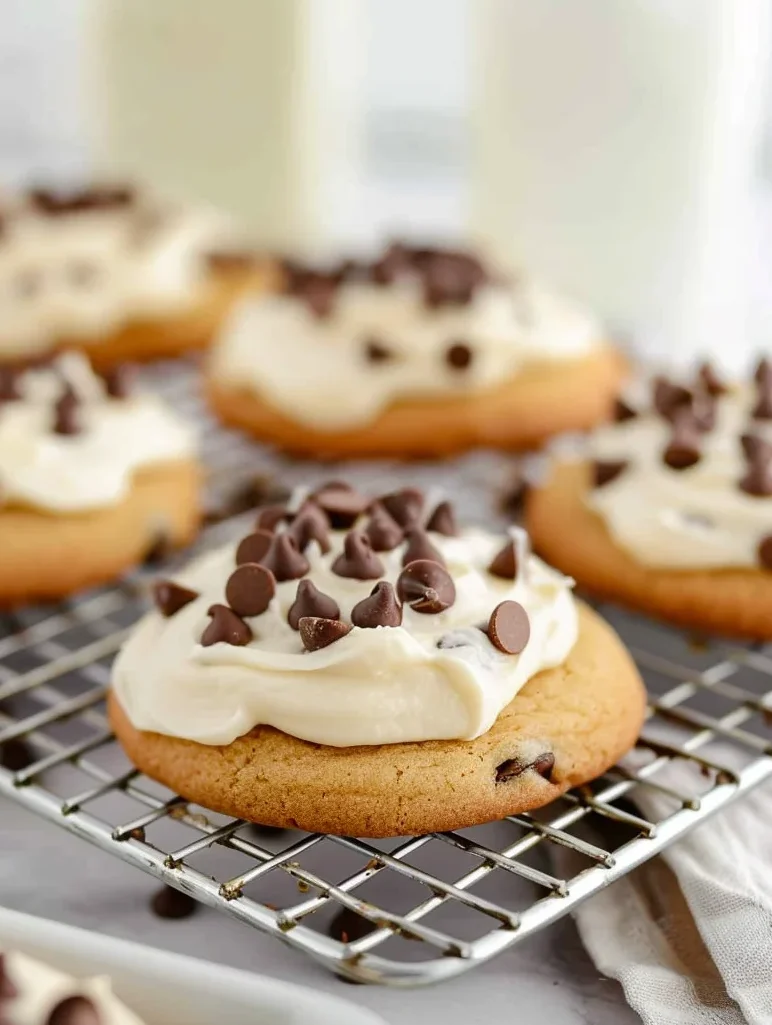
These aren’t your average sugar cookies. By incorporating creamy ricotta cheese directly into the dough, we create a texture that is impossibly soft, cake-like, and tender. Topped with a thick, velvety frosting made from Mascarpone and cream cheese, every bite feels like a decadent trip to the heart of Italy.
Whether you’re looking for a standout addition to your holiday cookie platter or just a cozy afternoon bake to share with family, these cookies are the ultimate crowd-pleaser. Let’s dive into why these should be the next thing you bake!
Why You’ll Love This Recipe
- Incredible Texture: The ricotta cheese acts as a secret weapon, providing moisture and a delicate crumb that stays soft for days.
- Authentic Flavor Profile: With hints of cinnamon, vanilla, and almond extract, these taste exactly like the filling of a high-end cannoli.
- Decadent Frosting: We use a blend of Mascarpone and cream cheese for a frosting that is richer and more stable than traditional buttercream.
- No Frying Required: You get all the satisfaction of a cannoli without the mess of hot oil or the fuss of rolling out dough.
- Perfect for Gifting: These cookies are visually stunning and travel well (just keep them cool!).
Ingredient Notes
To get that professional bakery result at home, the quality and temperature of your ingredients matter. Here’s what you need to know:
The Cookie Base
- Ricotta Cheese: Use full-fat, whole-milk ricotta for the best texture. If your ricotta looks particularly watery, let it strain in a fine-mesh sieve for 15 minutes before using.
- Butter: Ensure your butter is truly at room temperature (not melted) so it creams properly with the sugar.
- Egg + Egg Yolk: Adding that extra yolk is the secret to a rich, chewy dough that doesn’t become too “bready.”
- Extracts: The combination of vanilla and almond is traditional for cannolis. The almond extract provides that “bakery” flavor that makes people ask, “What’s the secret ingredient?”
The Mascarpone Frosting
- Mascarpone Cheese: Think of this as the Italian version of cream cheese, but much creamier and less tangy. It provides the signature cannoli taste.
- Cream Cheese: Adding a bit of standard cream cheese helps stabilize the frosting so it holds its shape on the cookie.
- Mini Chocolate Chips: Always go for the mini version! They provide the perfect amount of crunch in every bite without overwhelming the delicate frosting.
Step-by-Step Instructions
1. Cream the Base
Start by preheating your oven to 375°F (190°C). In a large bowl, beat your room-temperature butter, ricotta, and granulated sugar. You want to see the mixture become pale and fluffy—this usually takes about 2 full minutes.
2. Add the Aromatics
Beat in the whole egg, the extra yolk, and your extracts. This is where the kitchen starts to smell amazing. Make sure the egg is fully incorporated before moving to the next step.
3. Mix the Dry Ingredients
Sift in your flour, baking powder, baking soda, cinnamon, and salt. Pro Tip: Don’t overmix! Turn your mixer to low and stop as soon as the white streaks of flour disappear. Overmixing leads to tough cookies.
4. Scoop and Bake
Use a 1.5 tablespoon cookie scoop to ensure even sizes. Space them about 2 inches apart on your parchment-lined sheets. They don’t spread excessively, but they do need room to breathe. Bake for 10 minutes. The edges should be just barely golden, but the tops should remain pale and soft.
5. The Frosting Finale
While the cookies cool completely, whip up your frosting. Combine the Mascarpone and cream cheese first, then slowly add the powdered sugar. Once smooth, pipe or spread it onto the cooled cookies and generously shower them with mini chocolate chips.
Expert Tips for Best Results
- Don’t Overbake: These cookies are meant to be soft and “pillowy.” If you wait for the tops to brown, they will be overdone. Trust the 10-minute timer!
- Room Temp is Key: Both the cheeses and the butter must be at room temperature. If they are cold, the frosting will be lumpy, and the cookie dough may curdle.
- Cooling is Mandatory: If you frost a warm cookie, the Mascarpone will melt into a puddle. Wait until they are cool to the touch.
- Use a Scoop: Using a mechanical cookie scoop gives you that professional “mound” shape that looks so beautiful under a swirl of frosting.
Variations and Substitutions
- Pistachio Cannoli: Fold 1/2 cup of finely chopped pistachios into the dough or sprinkle them on top of the frosting for a classic nutty finish.
- Orange Zest: Many traditional cannoli recipes use orange zest. Add 1 teaspoon of fresh zest to the dough for a bright, citrusy lift.
- Gluten-Free: You can substitute the all-purpose flour with a high-quality 1:1 gluten-free baking blend (like King Arthur or Bob’s Red Mill).
- Holiday Spice: Increase the cinnamon to 2 teaspoons if you want a deeper, warmer spice profile for the winter months.
Storage and Freezing
To Store: Because of the dairy in the frosting and the ricotta in the dough, these cookies must be stored in the refrigerator. Place them in an airtight container in single layers (use parchment paper between layers if stacking). They will stay fresh for up to 5 days.
To Freeze: You can freeze the unfrosted cookies for up to 3 months. When ready to serve, thaw them at room temperature and apply a fresh batch of Mascarpone frosting. I do not recommend freezing the frosted cookies, as the texture of the Mascarpone can change slightly upon thawing.
FAQ
Can I use low-fat ricotta?
I highly recommend sticking with whole-milk ricotta. Low-fat versions often have more water content and fillers, which can make the cookies spread too much or become gummy.
Why did my cookies spread so much?
This usually happens if the ricotta was too wet or the butter was too soft (nearly melted). If your dough feels very sticky, try chilling it in the fridge for 30 minutes before scooping.
What is the difference between Mascarpone and Cream Cheese?
Mascarpone has a much higher fat content (around 60-75%) and a sweeter, more buttery flavor. Cream cheese is tangier and firmer. Combining them gives us the best of both worlds for a sturdy yet luxurious frosting.